
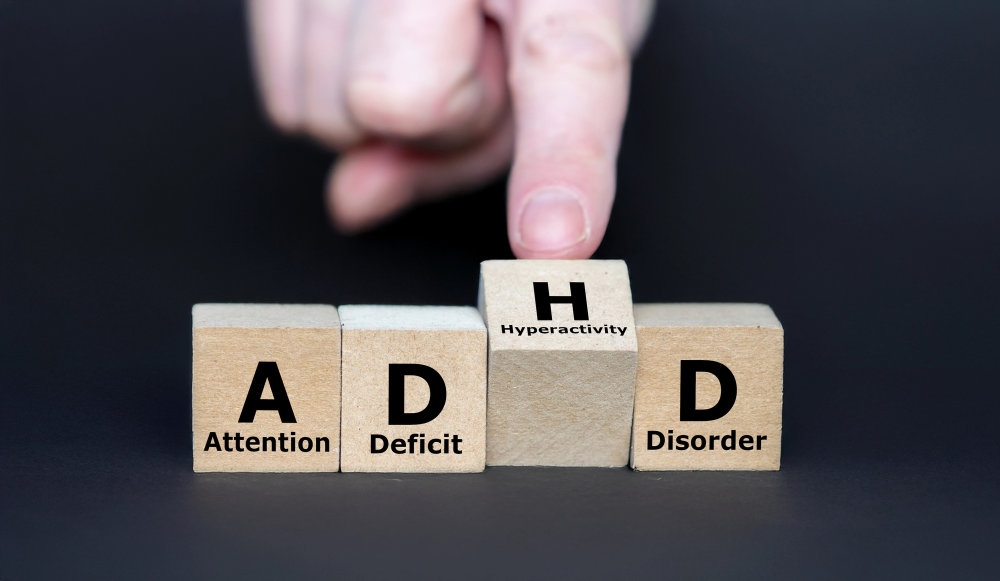
Understanding Adult ADHD Beyond the Stereotypes
ADHD is frequently misunderstood as a condition that only affects children. While symptoms must begin in childhood, many people reach adulthood without ever receiving an official ADHD diagnosis. In these cases, the person may have spent years feeling overwhelmed or wondering why they struggle with tasks that others seem to handle with ease.
In adults, the signs of ADHD often shift. The outward restlessness of a child might turn into an internal sense of unease or a constant mental motor that won’t shut down. High-functioning adults are particularly adept at masking. They may use intense pressure or last-minute rushes to get work done, hiding the internal chaos they feel. Because of this, an accurate ADHD diagnosis requires a careful, methodical evaluation by a psychiatric professional to distinguish it from other mental health concerns. Understanding how ADHD mental health impacts daily life is a key part of finding the right support and ADHD management strategies.
What Is Adult ADHD?
DSM-5-TR Definition
Adult ADHD, formerly known as adult ADD, is a persistent pattern of inattention and/or hyperactivity-impulsivity that interferes with functioning or development. Here is a look at adult ADHD symptoms and diagnosis:
- Several symptoms must have been present before age 12.
- Symptoms must be present in two or more settings (such as home, work, or social circles).
- There must be clear evidence that the symptoms impair social, academic, or occupational functioning.
Core Symptom Domains
- Inattention: Difficulty staying on task, appearing as if the mind is elsewhere, and becoming disorganized.
- Hyperactivity: In adults, this may manifest as extreme restlessness or as wearing others out with overactivity.
- Impulsivity: Taking actions without forethought, often leading to high-potential-for-harm behaviors or a desire for immediate rewards.
How Adult ADHD Differs From Childhood ADHD
As the brain matures, the presentation of ADHD evolves. Adults generally show less overt physical hyperactivity. Instead, they experience:
- Internal Restlessness: A feeling of being unable to relax.
- Executive Dysfunction: Major struggles with planning, focusing, and remembering instructions.
- Time Management Difficulties: “Time blindness,” or the inability to accurately sense how much time has passed or how long a task will take.
Common Symptoms in Adults
ADHD symptoms in adults can be subtle, often blending into a person’s personality or work habits. There are many different signs of ADHD in adults.
Inattention
- Difficulty Sustaining Focus: Losing track of conversations or long documents.
- Frequent Distractibility: Being pulled away from a task by minor noises or stray thoughts.
- Incomplete Tasks: A trail of unfinished projects or chores.
- Poor Organization: Struggling to keep a calendar, desk, or home in order.
Executive Dysfunction
- Difficulty Initiating Tasks: Staring at a screen or a pile of mail for hours, unable to start.
- Procrastination: Putting off tasks until the very last second.
- Difficulty Prioritizing: Treating a minor email with the same urgency as a major deadline.
Emotional Regulation Challenges
While not always the primary focus of a diagnosis, many adults with ADHD struggle with:
- Irritability: Feeling quickly annoyed when interrupted.
- Low Frustration Tolerance: Giving up easily when a task becomes tedious.
- Rejection Sensitivity: Feeling intense emotional pain when perceiving criticism or rejection.
Hyperactivity and Impulsivity in Adults
- Internal Restlessness: Feeling driven by a motor or an inability to sit still without fidgeting.
- Impulsive Decisions: Making spur-of-the-moment purchases or life changes without weighing the consequences.
- Interrupting Others: Difficulty waiting for a turn to speak or blurting out thoughts before someone finishes a sentence.
Conditions That Mimic or Co-Occur With ADHD
A psychiatric evaluation must look at the whole picture, as several conditions can look like ADHD.
| Condition | Overlap with ADHD | Key Difference |
|---|---|---|
| Anxiety Disorders | Restlessness and trouble concentrating. | In anxiety, inattention is driven by worry; in ADHD, it is a deficit in focus. |
| Major Depression | Low motivation and “brain fog.” | Depression involves a loss of interest and cognitive slowing, often in episodes. |
| Bipolar Disorder | Impulsivity and high energy. | Bipolar disorder involves distinct periods of mania or hypomania, rather than a lifelong pattern. |
| PTSD/Trauma | Hyperarousal and focus issues. | Trauma-related focus issues are often tied to specific memories or a feeling of being unsafe. |
| Sleep Disorders | Daytime fatigue and poor memory. | Lack of sleep can cause “ADHD-like” symptoms in anyone; treating sleep apnea or insomnia may resolve the focus issues. |
The Diagnostic Process for Adult ADHD
Diagnosing ADHD in adults is a clinical process. It is not based on a single blood test or a quick survey, but rather a deep look at a person’s life. Let’s look at how adult ADHD is diagnosed.
Comprehensive Clinical Interview
The ADHD doctor in Los Angeles explores your developmental history, looking for signs of struggle in primary school. They also review your occupational history, job changes, performance reviews, and your family history, as ADHD often runs in families.
Symptom Timeline
Because ADHD is a neurodevelopmental condition, it is lifelong. The doctor looks for patterns that began in childhood and have continued without significant breaks through adulthood.
Standardized Rating Scales
Self-report measures allow you to rank your own symptoms. Sometimes, input from a spouse, parent, or long-term friend is used to get a more objective view of how symptoms affect your daily life.
Ruling Out Other Conditions
- Mood Disorders: Distinguishing between ADHD, emotional dysregulation, and the cycles of depression or bipolar disorder.
- Anxiety: Determining if restlessness stems from a racing ADHD mind or chronic worry.
- Substance Use: Identifying whether substance use is a separate issue or a form of self-medicating ADHD symptoms.
- Medical Contributors: Ruling out physical causes like thyroid imbalances or sleep apnea that mimic ADHD.
Ultimately, diagnosis is clinical, based on a comprehensive history and symptom patterns rather than any single test or scan.

Evidence-Based ADHD Treatment Options
Managing ADHD as an adult usually involves a combination of medical intervention and behavioral shifts.
Medication Management
Medication is often a primary tool for adult ADHD care.
Stimulant Medications
These are the most commonly prescribed. They work by increasing the levels of certain chemicals in the brain, specifically dopamine and norepinephrine, which help with focus and impulse control.
- Benefits: Rapid improvement in concentration and task completion.
- Monitoring: Since these are controlled substances, doctors monitor heart rate, blood pressure, and appetite closely.
Non-Stimulant Medications
These may be used if stimulants cause side effects or if a person has certain medical risks.
- When indicated: Useful for those who don’t respond to stimulants or who have a history of substance use concerns.
- Slower onset: These can take several weeks to reach their full effect.
Psychotherapy for Adult ADHD
ADHD therapy for adult ADHD in Los Angeles focuses on building practical bridges between “knowing what to do” and “actually doing it.”
Cognitive Behavioral Therapy (CBT) for ADHD
Unlike traditional talk therapy, CBT for ADHD targets the specific thoughts that lead to avoidance:
- Executive Function Strategies: Developing mental frameworks to break down overwhelming projects.
- Behavioral Planning: Creating step-by-step roadmaps to navigate daily responsibilities.
- Task Initiation: Identifying and overcoming the “activation wall” that causes procrastination.
Treatment of Co-Occurring Conditions
Therapy also addresses the emotional weight that often accompanies a lifetime of undiagnosed ADHD:
- Anxiety: Managing the constant “waiting for the other shoe to drop” regarding forgotten tasks.
- Depression: Addressing the low self-esteem or “burnout” caused by chronic overextension.
- Emotional Regulation: Learning to pause and process intense feelings before they lead to impulsive reactions.
Medication Monitoring and Safety
Managing ADHD with medication involves a structured process to find the right balance between benefits and side effects.
Baseline Assessment
Before starting a prescription, a provider reviews your health background to choose the safest path:
- Medical history: Identifying past health issues or family patterns that might influence how you react to stimulants or non-stimulants.
- Cardiovascular considerations: Checking blood pressure and heart rate, as some ADHD meds can impact these metrics.
- Substance use screening: Discussing current or past habits to select a delivery method that minimizes risks.
Follow-Up and Dose Adjustment
The early stages of adult ADHD treatment options involve finding the specific amount of medication for adult ADHD that works for your body:
- Gradual titration: Starting with a low amount and slowly increasing it to find the sweet spot where symptoms improve.
- Side effect monitoring: Tracking common issues like dry mouth, sleep changes, or appetite loss.
- Ongoing evaluation: Meeting with a provider to discuss if the current plan helps with daily focus and calm.
Long-Term Safety Considerations
Care continues even after a steady routine is established:
- Regular psychiatric follow-up: Checking in every few months to review progress and adjust for any life changes.
- Functional reassessment: Looking at how well the treatment helps with work, social life, and home responsibilities over time.
Ongoing Care and Long-Term Management
ADHD does not disappear after childhood; it requires a consistent approach as life changes.
ADHD as a Chronic Neurodevelopmental Condition
Managing the condition means recognizing that the brain functions differently throughout every stage of life.
- Symptoms may fluctuate: Stress, sleep quality, and physical health can make symptoms feel more or less intense from day to day.
- Lifelong management: Support is often needed to navigate adult responsibilities and maintain consistency.
Treatment Adjustments Over Time
A plan that works today might need changes when your daily environment or responsibilities shift.
- Career changes: New job roles or moving to a remote work setting can require new ways to stay on track.
- Life transitions: Major shifts, such as moving house or starting a long-term partnership, often require a review of current coping methods.
- Parenting demands: The high mental load of caring for children can strain your ability to manage your schedule and stay focused.
Preventing Burnout
Chronic exhaustion happens when your brain works too hard to mask symptoms or keep up with demands.
- Structured support: Building a reliable routine with external tools like calendars and reminders to reduce mental strain.
- Therapy reinforcement: Returning to counseling to refresh skills or address new challenges that arise.
- Medication review: Checking in with a doctor to see if your current prescription still meets your needs as your body or lifestyle changes.

Adult ADHD in Professional and Academic Settings
Navigating higher education or a career with ADHD presents specific hurdles that often require external structures.
Workplace Challenges
The modern office environment often demands the exact skills that ADHD brains find most difficult:
- Deadlines: Struggling to estimate how long a project will take, leading to last-minute rushes.
- Organization: Difficulty maintaining a clear filing system or managing a cluttered digital workspace.
- Task switching: Losing momentum when moving from one meeting to another or handling unexpected interruptions.
Academic Performance
For those in advanced studies, the lack of external structure can be a major barrier.
- Graduate students: Managing long-term research projects without daily check-ins from a supervisor.
- Professionals returning to school: Balancing a full-time career with the mental demands of new coursework.
High-Functioning ADHD
Many adults appear successful while secretly struggling to maintain that image.
- Compensation strategies: Working late nights or through weekends to make up for lost focus during the day.
- Hidden impairment: Experiencing high levels of internal stress and exhaustion despite meeting external expectations.
When to Seek Psychiatric Evaluation
Professional help is necessary when symptoms interfere with your ability to lead a stable life. Look for these indicators:
- Difficulty With Focus: A long-term inability to stay on task despite a quiet environment.
- Chronic Procrastination: Constantly delaying starts, even when you want to get things done.
- Repeated Underperformance: Receiving feedback that you are not meeting your potential.
- Ongoing Functional Impairment: Trouble managing finances, household chores, or appointments.
- Emotional Dysregulation: Quick shifts in mood or feeling, easily overwhelmed by small setbacks.
A professional evaluation is a required path for clarity. Self-diagnosis can miss other underlying issues.
Why Accurate Diagnosis Matters
Getting a clear answer from us prevents years of confusion and misapplied treatments.
- Avoid mislabeling: Prevents treating ADHD as if it were only a mood disorder or general anxiety.
- Prevent inappropriate prescribing: Helps select the appropriate medication category when needed.
- Develop care plans: Build a roadmap that addresses your specific symptoms.
- Improve functioning: Increases the likelihood of maintaining stability in your daily life.
Conclusion: Adult ADHD Is Often Overlooked but Treatable
Many adults live for years without knowing why they struggle with tasks that seem easy for others. Recognition is a major shift in how you view your past and future.
- Requires structured evaluation: A formal clinical review is the only way to confirm the condition.
- Evidence-based treatment: Proven methods like therapy and medication are available to help.
- Ongoing management: Consistent care leads to better results over the years.
Psychiatric Care Matters
A medical approach provides the safety and clarity needed for success. This involves a careful diagnosis, a treatment plan tailored to your life, and regular check-ins to adjust as you grow. Our Beverly Hills psychiatry practice offers exactly this kind of ongoing, personalized care for adults.
Adult ADHD FAQs
What are the core symptoms of adult ADHD?
Adults typically deal with three main areas: inattention (trouble staying on task), hyperactivity (internal restlessness), and impulsivity (acting without thinking). These can show up as chronic lateness, losing items, or interrupting others in conversation.
How is adult ADHD diagnosed?
A provider conducts a clinical interview to review your history from childhood to the present. They look for a pattern of symptoms that consistently get in the way of your work, home life, or social connections.
Can ADHD be diagnosed in adulthood if it was never identified in childhood?
Yes. Many adults were able to mask their symptoms or had enough support as children that their struggles didn’t become clear until the high demands of adult life began.
What is the difference between adult ADHD and anxiety?
While both involve a racing mind, anxiety is usually driven by fear or worry about the future. ADHD restlessness is a baseline state of the brain that happens even when things are going well.
How is adult ADHD different from depression?
Depression often involves low energy and a lack of interest in hobbies. ADHD involves wanting to do things but having trouble with the mental steps needed to start or finish them.
Can ADHD and anxiety or depression occur together?
It is very common for these to overlap. Often, the stress of living with untreated ADHD leads to secondary feelings of anxiety or low mood.
What types of medications are used to treat adult ADHD?
Providers usually look at two categories: stimulants, which increase certain brain chemicals quickly, and non-stimulants, which build up in the system over time to help with focus.
Are stimulant medications safe for adults with ADHD?
When taken under the care of a doctor, they have a long history of safety. A provider will check your heart health and blood pressure before and during treatment to monitor for any changes.
What are non-stimulant treatment options for adult ADHD?
Non-stimulants are helpful for those who cannot take stimulants or find them too intense. These medications help regulate focus and impulsivity without affecting heart rate or sleep.
Is psychotherapy helpful for adults with ADHD?
Yes. Therapy helps you build systems for time management and organization while also addressing the emotional toll of struggling with these tasks for years.
How long does ADHD treatment typically last?
Because ADHD is a neurodevelopmental condition, management is usually a long-term process. Some people stay on a plan for years, while others adjust their support as their life circumstances change.
Does ADHD medication need to be taken every day?
This depends on the specific medication and your provider’s advice. Some people take “medication holidays” on weekends, while others find that daily use helps maintain a steady routine.
Can lifestyle changes improve ADHD symptoms?
Getting enough sleep, regular exercise, and using a structured calendar can help reduce the impact of symptoms, though they are usually used alongside professional treatment.
How does untreated ADHD affect work and relationships?
Without a plan, ADHD can lead to missed deadlines at work and feelings of being ignored or let down by partners at home, often causing significant strain on those connections.
When should an adult seek a psychiatric evaluation for possible ADHD?
You should reach out to a professional if you feel your efforts to stay organized and focused are failing despite your best intentions, especially if it is affecting your job or your peace of mind.
Schedule a Comprehensive ADHD Evaluation
If you suspect that your struggles with focus, restlessness, or impulsivity are linked to ADHD, a professional review is the next move. Our clinic provides the structure and expertise needed to understand your brain and build a sustainable path forward.
We offer a clear process to identify your needs and start a management plan:
- Full psychiatric assessment: A deep look into your history and current symptoms to build a clear picture of your experience.
- Differential diagnosis: A careful review to distinguish ADHD from other conditions like anxiety or mood disorders.
- Structured treatment planning: Building a roadmap that includes therapy, medication, or lifestyle changes based on your specific needs.
- Ongoing care management: Regular check-ins to monitor your progress and make changes as your life evolves.